Biophilic Design in Contemporary Indian Homes: Why Living Aquatic Ecosystems Are Transforming Modern Interiors
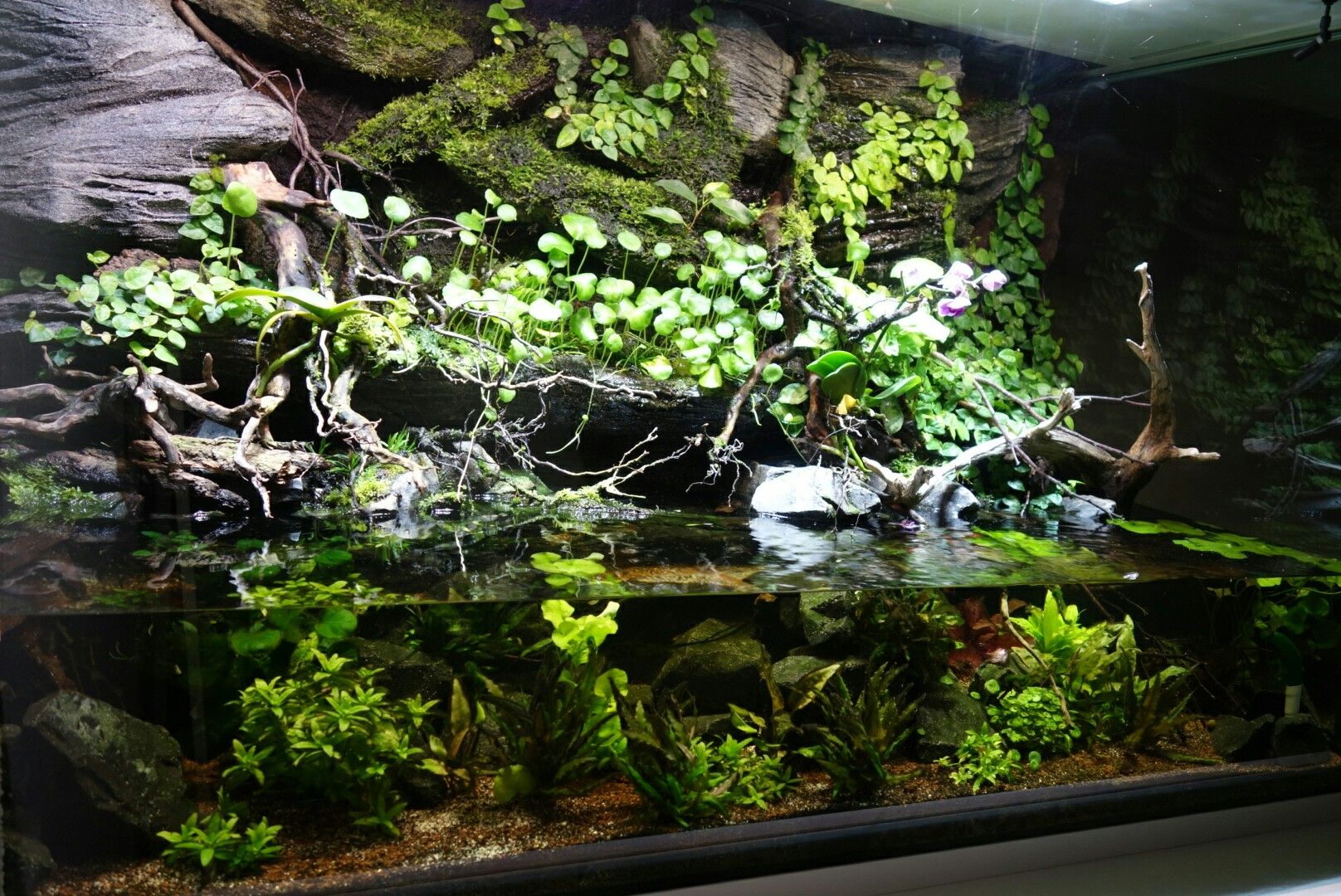
Throughout India’s fast-changing urban environments, interior design is undergoing a profound transformation. Contemporary homes in cities such as Delhi, Gurgaon, and Noida are shifting away from purely decorative interiors toward environments that feel alive and responsive. Instead of relying solely on furniture, artwork, or static decor elements, homeowners are increasingly incorporating living ecological systems into their spaces. One of the most remarkable additions is the emergence of aquatic installations. Carefully designed aquariums, reef systems, planted ecosystems, and hybrid environments are emerging as powerful architectural features. As awareness of biophilic design principles increases, homeowners frequently approach a professional aquarium shop Delhi NCR to incorporate living aquatic ecosystems into their interiors, creating interiors that combine aesthetics, biology, and long-term well-being.
Understanding Biophilic Design in Contemporary Architecture
Biophilic design rests on a straightforward yet profound principle: humans have an inherent connection with nature. For thousands of years, people lived closely with natural landscapes, water systems, vegetation, and wildlife. Modern urban lifestyles, however, have gradually distanced individuals from such natural surroundings. High-rise architecture, dense infrastructure, and screen-centred lifestyles have significantly reduced daily interaction with natural ecosystems.
Interior designers and architects are now addressing this gap by integrating natural elements directly into built spaces. These elements include organic materials, indoor plants, natural light patterns, and water features. Among all these components, aquatic ecosystems provide a particularly immersive experience. The movement of water, the growth of plants, and the activity of aquatic life create visual dynamics that constantly evolve.
Unlike static decor pieces that remain unchanged, a living ecosystem grows and adapts over time. Aquatic plants, gentle fish movement, and reflective water surfaces introduce a natural rhythm into interior spaces. Because of this, many homeowners now select a custom aquarium setup Delhi as a primary design feature rather than an afterthought.
The Shift from Decorative Aquariums to Living Ecosystems
Traditional aquariums were often treated as ornamental items placed against walls or in corners. Their purpose was largely decorative. Today, however, aquatic installations are designed as balanced ecological environments combining plants, microorganisms, water chemistry, and carefully chosen aquatic species.
A professionally designed planted aquarium setup Delhi centres on establishing harmony among aquatic plants, nutrient cycles, and lighting systems. Such installations resemble miniature underwater landscapes in which plants develop naturally and biological filtration preserves water clarity. The outcome is far more than a simple tank with fish—it becomes a thriving ecosystem enclosed within glass.
In a similar way, a marine aquarium setup Delhi introduces vibrant saltwater biodiversity into indoor environments. Marine aquariums are celebrated for colourful corals, diverse fish species, and intricate ecological balance. When carefully designed, such systems become striking visual focal points that replicate the beauty of coral reef ecosystems within indoor spaces.
The shift from decorative tanks to ecological design reflects a broader change in how people think about interiors. Rather than filling rooms with static objects, designers now craft environments that evolve and interact with occupants over time.
The Growing Popularity of Reef and Marine Installations
Among various aquatic design styles, reef systems have attracted significant interest from homeowners searching for dramatic interior features. A professional reef tank installation Delhi incorporates colourful coral formations, specialised lighting systems, and precisely balanced water chemistry to support marine life.
Reef aquariums are widely admired for their vibrant colour palette and dynamic visual textures. Coral polyps extend and retract with water movement, while reef fish glide through rock formations and coral branches. This continuous movement creates an immersive experience that draws attention without overwhelming a space.
However, reef systems require technical expertise. Water salinity, filtration processes, lighting intensity, and biological stability must all be carefully regulated. Due to this complexity, homeowners often depend on specialists offering installation alongside aquarium maintenance services Delhi. Routine monitoring ensures the ecosystem remains balanced and healthy over extended periods.
With proper planning and professional maintenance, reef systems can become remarkable living artworks that enrich the atmosphere of modern homes.
Hybrid Aquatic Environments: Paludariums and Biotope Ecosystems
The evolution of aquatic design has also introduced hybrid ecological environments that combine aquatic and terrestrial elements. These installations extend beyond conventional aquariums to create layered ecosystems.
A paludarium setup Delhi NCR combines aquatic zones with terrestrial areas inside a single enclosure. Submerged aquatic sections coexist with elevated landscapes featuring moss, plants, and natural textures. This type of environment replicates riverbanks, tropical wetlands, or rainforest habitats.
Another advanced method involves building biotope ecosystems. A biotope aquarium setup India replicates a specific natural habitat with remarkable accuracy. Every element—from plant varieties to rock formations and fish species—mirrors an authentic ecological environment.
These installations appeal strongly to homeowners who appreciate nature-inspired design. Instead of merely displaying aquatic organisms, they recreate genuine environmental conditions that sustain balanced biological systems.
The Psychological Impact of Living Aquatic Environments
The appeal of aquatic ecosystems is not purely visual. Research in environmental psychology demonstrates that exposure to natural environments greatly improves psychological well-being. Water elements in particular possess a naturally calming psychological effect.
Observing aquatic life often produces a mental state referred to as soft fascination. In this state, the mind remains gently engaged without experiencing cognitive strain. The subtle movement of fish, swaying plants, and light reflections across water surfaces can reduce stress and promote relaxation.
In busy metropolitan environments such as Delhi NCR, this calming effect is especially valuable. After long workdays filled with digital screens and constant stimulation, returning home to a living aquatic ecosystem can create a restorative atmosphere.
Children also benefit from these installations. Aquariums introduce opportunities for learning about biology, ecosystems, and environmental responsibility. Watching fish behaviour, plant development, and water cycles can inspire curiosity and appreciation for the natural world.
Urban Living and the Growth of Aquatic Design Across Delhi NCR
The cities of Delhi, Gurgaon, and Noida have experienced rapid urban expansion over the past two decades. High-rise apartments and compact residential layouts are now common across the region. Within such environments, outdoor garden space is often restricted or unavailable.
Aquatic ecosystems offer an effective solution because they require minimal horizontal space while providing substantial visual depth. A thoughtfully designed aquarium can serve as a focal point in living rooms, dining areas, offices, or entrance spaces.
Many residents visit a specialised aquarium store Gurgaon or consult experts from an aquarium shop Noida to explore customised installations suited to apartment layouts. Modern aquariums can be embedded within walls, partitions, or furniture structures, enabling them to function as architectural features rather than separate objects.
The adaptability of aquatic installations makes them ideal for urban homes seeking both elegance and tranquillity.
The Importance of Professional Maintenance and Ecological Balance
Designing a visually appealing aquatic ecosystem is only the beginning. Long-term success relies on preserving biological balance and water quality. Elements including water hardness, temperature stability, filtration efficiency, and plant development must be monitored closely.
Professional aquarium maintenance services Delhi play a crucial role in ensuring ecological stability. Regular maintenance includes water testing, filtration management, plant trimming, algae control, and equipment inspection. Without proper care, even well-designed installations can lose their visual clarity or ecological balance.
Maintenance also protects the health of aquatic species and ensures that plants continue to thrive. With expert support, an aquarium can remain vibrant and stable for many years, providing lasting value to homeowners.
Aquatic Ecosystems Becoming a New Standard in Interior Design
Interior design trends often evolve quickly, but the movement toward living ecosystems reflects deeper cultural and environmental shifts. Urban residents increasingly seek environments that promote calmness, sustainability, and connection with nature.
Aquatic ecosystems meet these needs while simultaneously elevating visual sophistication. A thoughtfully designed aquarium can function as a natural divider, an illuminated architectural feature, or a striking focal point in a room.
Designers increasingly incorporate aquatic installations during the planning phase of construction instead of adding them later. Walls may be structured around aquarium panels, lighting systems calibrated for aquatic plants, and furniture arrangements oriented toward viewing the ecosystem.
Such an approach transforms aquariums from decorative additions into fully integrated architectural features.
Final Thoughts
The rise of living aquatic ecosystems in Indian homes reflects a broader shift toward nature-inspired living environments. As urban life becomes faster and more digitally focused, residents seek interior environments that restore calmness, balance, and natural rhythm. Aquariums, reef environments, paludariums, aquarium maintenance services Delhi and biotope systems offer a unique way to achieve this connection with nature.
By introducing water, plants, and aquatic life into interiors, these installations convert ordinary rooms into living environments that evolve continuously. Supported by professional designers, specialised stores, and expert maintenance services, aquatic ecosystems are increasingly becoming defining elements of contemporary homes throughout Delhi NCR and beyond.
As biophilic design continues to influence the future of architecture and interior planning, living aquatic systems are poised to become an essential component of modern residential design, introducing movement, tranquillity, and ecological beauty into everyday living.